
Why Algae Blooms Are Getting Worse in California Lakes (2026 Update)
Jan 10, 2026
If you've noticed that CA lakes look greener, smell worse, and are closing to swimmers more often than they used to—you're not imagining it. Harmful algal blooms (HABs) are becoming more frequent, more intense, and more dangerous in California's freshwater lakes, reservoirs, and rivers. What used to be a seasonal nuisance has evolved into a year-round public health crisis, and there are several interconnected reasons why.
In this post, we break down the science, the politics, and the practical reality behind California's worsening algae bloom problem, and what lake managers, HOAs, municipalities, and private property owners can do about it.
What Is a Harmful Algal Bloom?
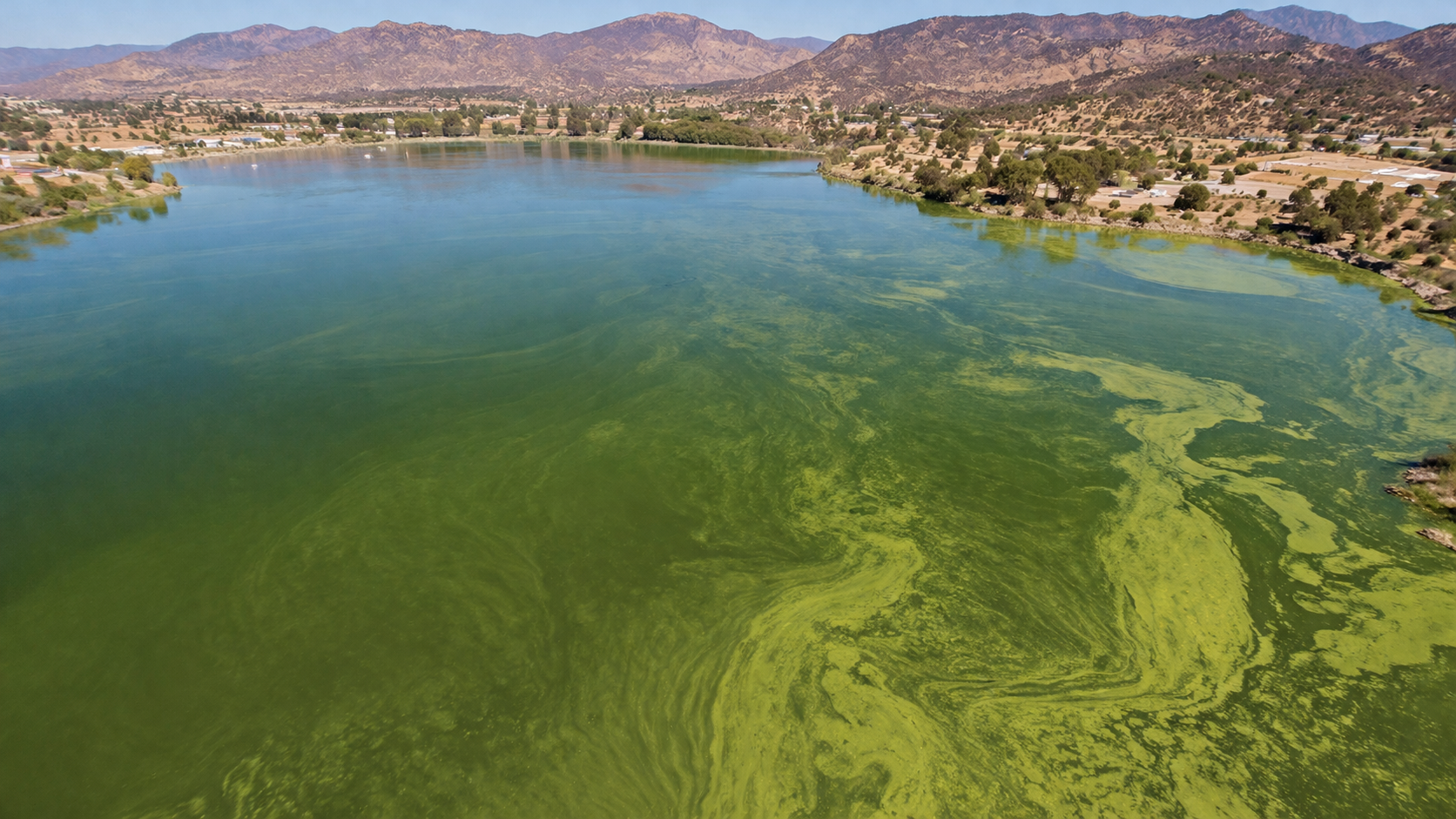
A harmful algal bloom (HAB) is a rapid overgrowth of cyanobacteria, commonly called blue-green algae, in a body of water. Despite the name, cyanobacteria are not true algae; they're photosynthetic bacteria that, under the right conditions, can explode in population and blanket the water's surface in a thick, pea-soup-green or reddish scum.
What makes them dangerous isn't just the appearance. Many species of cyanobacteria produce cyanotoxins — chemical compounds that are toxic to humans, pets, livestock, and wildlife. Exposure through skin contact, inhalation, or swallowing can cause rashes, gastrointestinal illness, neurological damage, and in high doses, death. Dogs are especially vulnerable, because they're attracted to the water and will drink even when it smells putrid.
California's State Water Resources Control Board has tracked freshwater HABs across the state since 2016, and the data tell a consistent story: blooms are increasing in incidence, duration, and toxicity statewide.
The Role of Drought: A Perfect Storm for Algae
California's ongoing struggle with drought cycles is one of the most significant (and most overlooked) drivers of worsening algae blooms. Here's why drought and algae go hand in hand.
Reduced Water Volume = Concentrated Nutrients
When drought drops water levels in lakes and reservoirs, the same amount of dissolved nutrients—primarily phosphorus and nitrogen—is now concentrated in a smaller volume of water. This directly accelerates algae growth. Nutrients that would otherwise be diluted by healthy water inflows now sit at elevated concentrations, providing exactly the fertilizer cyanobacteria thrive on.
Slower Water Turnover
Healthy lakes benefit from inflow and outflow, moving water that flushes nutrients and disrupts algae growth. During drought, inflows slow or stop entirely. Stagnant water is warm water, and warm water is algae's best friend. Without circulation, cyanobacteria can stratify near the surface where sunlight is strongest and bloom explosively.
Higher Water Temperatures
Drought years in California are almost always accompanied by above-average air temperatures. Warmer water (particularly above 75°F) dramatically accelerates cyanobacterial reproduction. Native algae species and the aquatic ecosystems that compete with and suppress cyanobacteria are outcompeted in warm, stagnant conditions.
Extended Bloom Seasons
Under normal California conditions, algae blooms were historically most common in late summer. Drought conditions change that calculus. As the California Water Boards' FHAB program has documented, drought conditions can promote cyanobacterial blooms that persist through winter, making harmful algal blooms a year-round issue across much of the state—particularly in Southern California.
Permanently affected lakes like Clear Lake in Lake County and Lake Elsinore in Riverside County have experienced blooms in every season, causing repeated closures, fish kills, and significant harm to local tourism economies.
Beyond Drought: The Other Causes of Worsening Blooms
Drought is the trigger, but several underlying conditions have made California's water bodies more susceptible to blooms over time.
Agricultural and Urban Nutrient Runoff

Phosphorus and nitrogen flow into California lakes and reservoirs from multiple sources: agricultural fertilizers, poorly managed septic systems, urban stormwater, lawn fertilizers, and eroding soils. Every rainstorm, especially after a dry season, carries a fresh pulse of nutrients into local waterways.
After major fires, the problem intensifies. The devastating Los Angeles fires of early 2025 sent enormous quantities of ash, sediment, and nutrient-laden runoff into Southern California watersheds—a factor researchers believe contributed to unusually intense bloom events in 2025.
Warming Climate Trends
California's climate is warming. Average temperatures across the state have increased over the past several decades, and summer high temperatures continue to break records. Warmer baseline temperatures mean longer growing seasons for cyanobacteria, compressed cold-water periods that historically suppressed blooms, and more favorable conditions for bloom initiation throughout the year.
Aquatic Ecosystem Degradation
Healthy aquatic ecosystems are naturally resilient. Native aquatic plants, zooplankton populations, and fish communities help regulate nutrient cycling and limit algae overgrowth. Years of invasive species introductions, habitat degradation, over-dredging, and chemical treatments have weakened the natural buffers that once kept blooms in check.
Which California Lakes Are Most Affected?
While any lake, reservoir, or slow-moving waterway in California is susceptible, certain regions and water bodies have been disproportionately impacted:
Clear Lake (Lake County): One of California's oldest and largest natural lakes, Clear Lake has experienced near-chronic blue-green algae blooms, earning it an unfortunate reputation as one of the most algae-affected lakes in the western U.S.
Lake Elsinore (Riverside County): A semi-arid Southern California lake with a shallow basin, Lake Elsinore has suffered repeated catastrophic bloom events leading to beach closures, fish kills, and significant public health advisories.
Sacramento-San Joaquin Delta: California's vast estuary faces overlapping pressures from agricultural runoff, drought-stressed inflows, and floating invasive plants that trap nutrients at the surface — creating prime conditions for algae blooms in channels and sloughs throughout the system.
Reservoirs statewide: Agricultural reservoirs, municipal water supply lakes, and private water bodies across the Central Valley, Inland Empire, Bay Area, and coastal counties have all reported increasing bloom frequency in recent years.
The Public Health and Economic Costs
Algae blooms aren't just an eyesore. The costs to communities are substantial:
Beach and swimming closures that eliminate recreational access for weeks or months at a time, impacting tourism and quality of life
Threats to drinking water supplies as cyanotoxins penetrate treatment systems not designed to handle them
Dog and livestock deaths from exposure to toxic bloom water
Fish kills from oxygen depletion caused by decaying bloom biomass
Property value suppression for lakefront homes, HOA communities, and resorts
Regulatory compliance burdens for municipalities required to monitor and report bloom events under AB 834 and related state legislation
What Can Be Done? The Case for Active Lake Management
The good news is that algae blooms are not inevitable. Proactive, professionally managed lake care can dramatically reduce bloom frequency and intensity, even in high-risk California lakes.
Effective algae management typically involves a combination of:
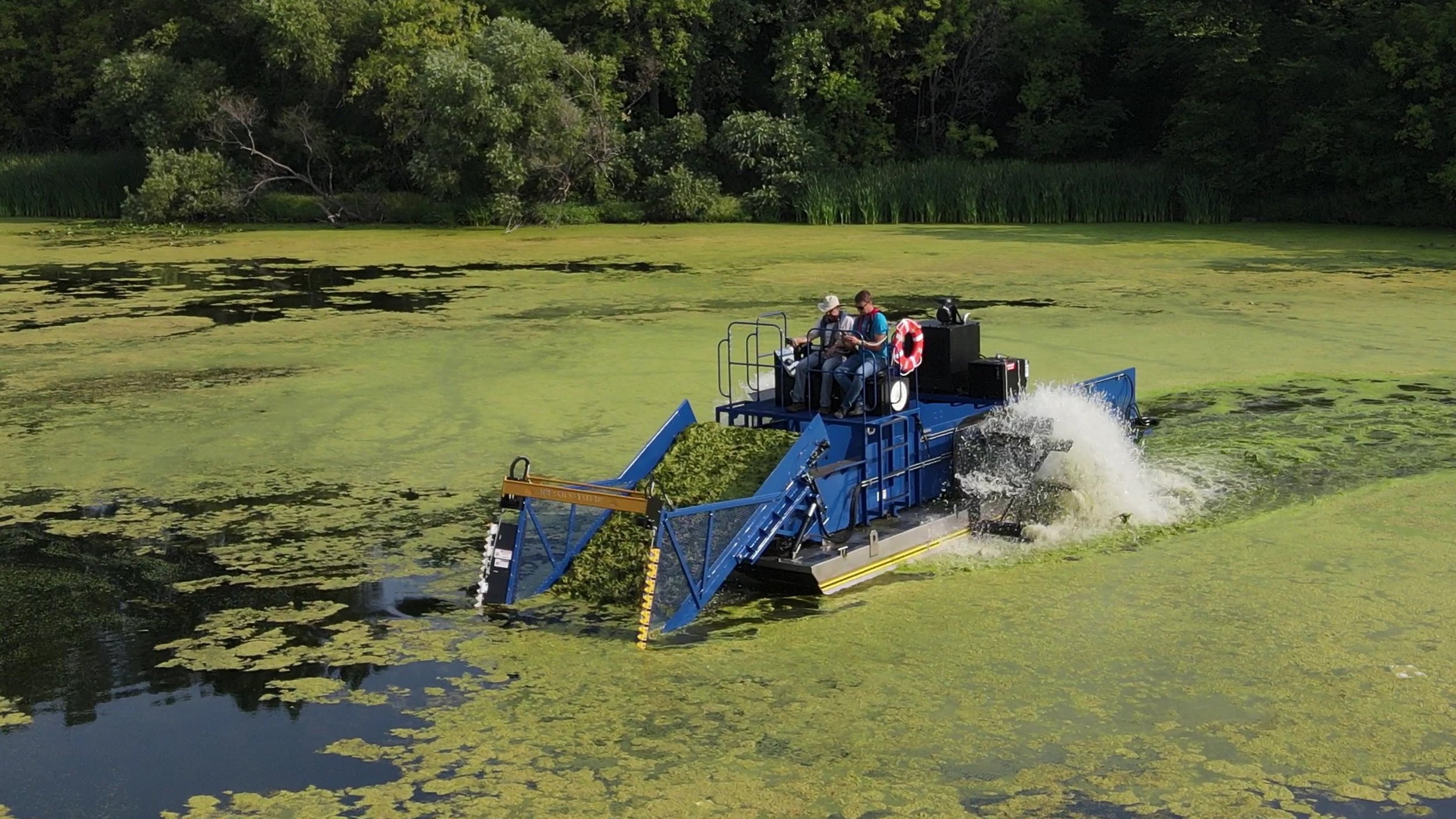
Mechanical Algae Removal: Physically harvesting surface algae using specialized equipment removes bloom biomass and the nutrients locked within it—something chemical treatments cannot do. This is one of the most environmentally responsible approaches for HOA lakes, municipal water bodies, and private properties.
Aeration and Circulation Systems: Subsurface aerators and fountain systems disrupt the thermal stratification that allows algae to concentrate near the surface. Improved oxygen levels also support competing native microorganisms and suppress the anaerobic conditions that fuel nutrient release from lake sediment.
Targeted Algaecide Applications: When applied by licensed professionals using EPA-approved products, algaecides can rapidly suppress active blooms. These treatments are most effective as part of an integrated management program, not as a standalone fix.
Nutrient Management: Identifying and reducing nutrient inputs: runoff, decaying organic matter, and internal sediment loading. Attack blooms at their root cause.
Ongoing Monitoring: Regular water quality testing allows managers to detect early bloom conditions and respond before a small problem becomes a lake-wide crisis.
The Bottom Line for California Lake Owners and Managers
The data is clear: harmful algal blooms in California are getting worse, and drought conditions amplify every underlying factor that drives them. Waiting for blooms to clear on their own is not a strategy, it's a guarantee of recurring closures, escalating costs, and deteriorating water quality.
Whether you manage a lake in the Sacramento Valley, Southern California, a corporate campus water feature in the Bay Area, or a private reservoir anywhere in the state, the time to invest in professional lake management is before the bloom, not after it.
Aquatic Harvesting provides comprehensive algae control, mechanical aquatic weed removal, aeration system installation, and annual lake management programs throughout California, Oregon, Washington, Idaho, Arizona, Nevada, and Texas.
